
Characteristics of the S Behavioral Style, or Greens, in the DISC Model
- partedu
- Jul 22
- 4 min read

Behavior refers to the set of observable actions and reactions of a person in different situations and conditions. Understanding people’s behavioral types helps us manage our interactions with others and fulfill our expectations from relationships. In the previous article, we discussed the I behavioral type, including its strengths and weaknesses. In this article, we will explore one of the four primary behavioral types. As you read this and future articles, try to compare the content with your own behavior or that of those around you to better understand yourself and others.
In this article, we will take a closer look at the Green behavioral type, or S, which stands for Steadiness. One reason for assigning colors to behavioral types is to convey the personality traits through the emotions and concepts associated with those colors. When you think about the color green and its relation to someone’s temperament, what comes to your mind?
The S behavioral type refers to individuals who seek stability in life and work. They prefer a calm and steady life without sudden changes or excitement. The S type is introverted—they listen more and speak less. Their extroversion is expressed through emotional sensitivity, quality interactions, and connection with others. They love to help and comfort others and are emotional and warm-hearted. However, S types usually do not express strong excitement. They tend to help others by listening, showing compassion, and offering emotional support. They often wish for everyone's well-being and do not seek attention.
An S-type individual does things for the good feeling it brings. When they play a game, they are not focused on winning or competition—the concept of play for them is about feeling good and enjoying time with familiar people, not about the outcome.
The S type often feels weaker than their environment, making them prone to low self-confidence. Their lack of confidence manifests in not pursuing expertise or leadership, as they don't see the need for it. They assess themselves realistically and say, “I’m weak in this area, so I can’t do much.” They rarely pursue specialized skills that would place them in competitive fields. And even if they do gain expertise, they tend not to introduce themselves as specialists due to excessive modesty and low confidence.
S types do not initiate communication or confront others. They are people-oriented and introverted, non-confrontational, and approach others with an open guard—meaning they quickly agree with you to make you feel good. They perform charitable acts quietly, without seeking praise or recognition, and often avoid the spotlight.

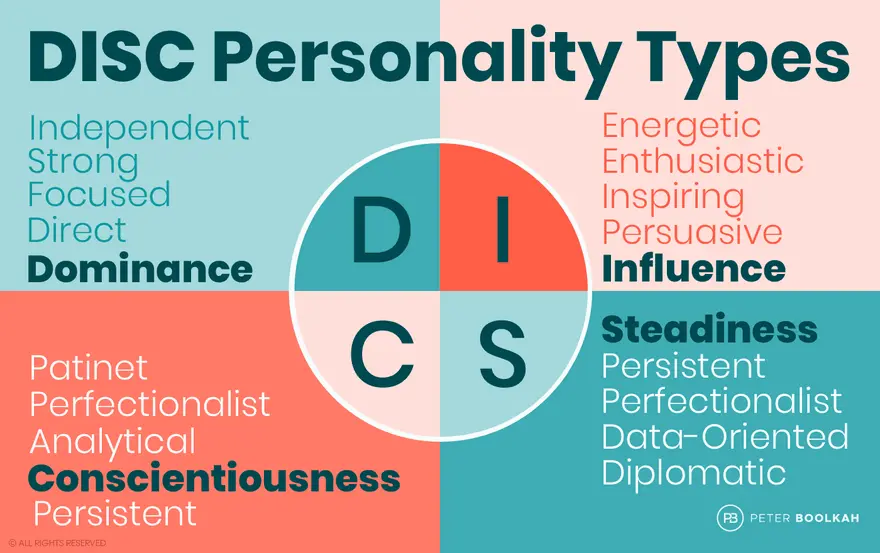
Greens or S-types are defined by the following traits: steadiness, supportiveness, a love for peace, warmth, a preference for routine, kindness, and forgiveness. Their symbolic strength is helping others. Their core characteristic is being stable. They often work more for others than for themselves. They genuinely care about helping people—even those they don’t know—and want to lift their spirits. They are willing to dedicate their time and resources to someone they’ve just met. They seize every opportunity to offer support and lend a hand.
Each behavioral type has its own strengths and weaknesses. Let’s take a look at the strengths of the S type. Greens are easygoing and not easily upset. They are emotional, reliable, loyal, patient, empathetic, kind-hearted, respectful of rules and societal norms, genuine, and unpretentious. They are considerate and cautious, and they weigh all aspects before making a decision. Children with an S type are unlikely to engage in dangerous activities like playing with fire or jumping from heights. They are tactful and thoughtful, with the ability to see things from other people's perspectives.
Among the weaknesses of the S type, one major point is their resistance to change—whether positive or negative. They need a long time to adapt to any kind of change. They tend to show a general lack of enthusiasm or initiative. They are sensitive to criticism and usually don’t appreciate it. They often struggle with setting priorities. They frequently fear a lack or loss of security.
If they feel unsafe in a place or with someone, they won't really listen to what’s being said. They may become irritable or anxious. So, to connect well with them, start the conversation by making them feel safe and calm. S-type individuals are usually reserved and rarely give direct feedback.
When an S type speaks on the phone, their voice tends to be steady and gentle. They usually speak calmly and respectfully, asking more questions than making statements. They have limited verbal interaction and rarely express strong personal opinions.
Their tone is consistent, warm and friendly, with low volume, soft delivery, and a slow and steady pace.
When talking to S-types, try to speak at a steady pace. Ask questions and really listen to their responses. Acknowledge them and show personal respect. Support their ideas and reassure them with a sense of safety and security.
The S behavioral type is prone to being taken advantage of. They have difficulty saying “no” and often over-empathize. I and D types may sometimes exploit this. Greens should work on developing the power to say no and learning to prioritize their compassion.
I hope this short article has helped you become more familiar with this behavioral type.


Comments