
Which DISC Behavioral Style Is the Best?A Deeper Look at a Popular Question
- partedu
- Jul 21
- 4 min read

One of the most frequently asked questions in DISC training sessions or online behavioral assessments is:
"Which DISC behavioral style is better?"
Or in other words:
"Do I have the right behavioral style?"
At first glance, this question may seem simple or even logical. But behind it lies a dangerous and inaccurate assumption: that one behavioral style is "superior," "more successful," or "more desirable" than the others.
In this article, we will explore why, although common, this question requires a more thoughtful and deeper perspective.
What Is DISC? A Brief Overview
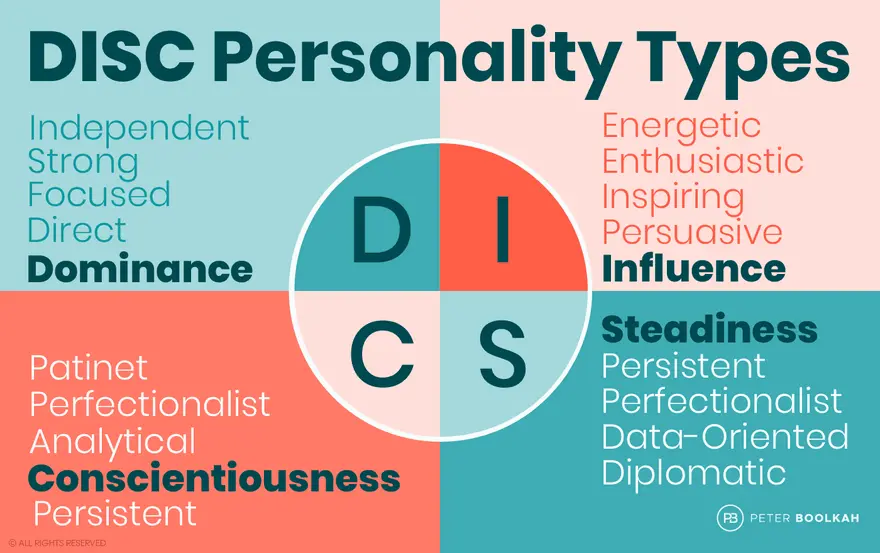
The DISC behavioral model identifies four primary behavioral styles:
D (Dominance) – Decisive, goal-oriented, assertive
I (Influence) – Influential, sociable, inspiring
S (Steadiness) – Supportive, patient, loyal
C (Conscientiousness) – Detail-oriented, analytical, quality-focused
None of these styles is inherently "good" or "bad." DISC simply helps us understand our own and others' behavioral patterns to communicate more effectively.
The Root of the Question: Why Do We Ask "Which Is Best?"
There are several reasons why people look for the "best" style:
Need for comparison and validation: We inherently want to know, "Am I normal?", "Am I better than others?"
Pursuit of success: Many assume that certain styles (such as D or I) are more suited for leadership, entrepreneurship, or career success.
Unpleasant past experiences: Those dissatisfied with themselves or their behavioral style often look for a "better" style to imitate. This dissatisfaction may stem from numerous negative experiences in the past, including emotional failures, social challenges, or professional obstacles. These experiences can motivate a person to seek new and more positive models. For instance, someone who has always struggled in emotional relationships might look to those with more successful relationships for learning. This quest might include reading books, watching films, or even joining support groups that help them gain new perspectives on themselves and how to relate to others. Additionally, they might seek professional counseling to identify and improve their negative behavioral patterns. Along the way, they may learn from others' experiences and acquire new skills to become a better version of themselves. Overall, this journey of exploration and transformation not only helps individuals move beyond their unpleasant pasts but also drives them toward personal growth and progress. Ultimately, inspired by positive role models, they can transform their lives and reach new goals.
But the truth is:
Success and life satisfaction are not determined by behavioral style but by self-awareness and personal growth.
Every Style Has Unique Strengths
Let’s take a look at the positive attributes of each style:
Strengths
D: Strong leadership, goal focus, bold decision-making
I: High social skills, motivation, optimism
S: Loyalty, active listening, creating calm in teams
C: High accuracy, logical analysis, commitment to quality
Can we say that "accuracy" is better than "motivation"? Or that "leadership" is more important than "loyalty"? The answer is clear: it depends on the context, role, and the needs of the moment.
True Success Means Adaptability and Balance
This concept has become one of the key elements in achieving personal and professional goals in today's world. In reality, success is not merely about attaining status or wealth—it includes the ability to adapt to different situations and maintain life balance.
Studies in human resources and behavioral psychology show that the world’s most successful people don’t necessarily belong to a specific DISC style. They are highly diverse individuals with unique characteristics that support their success. This indicates that success goes beyond innate capabilities and personality traits—it depends more on how individuals respond and adapt to life's challenges and opportunities.
These individuals:
Understand their behavioral style,
Improve their weaknesses,
And adapt their behavior to fit different situations.
Identifying your behavioral style helps you better understand your strengths and weaknesses. This awareness not only increases self-understanding but also enables you to act more effectively in different situations. For example, a person with a C style—naturally analytical—may learn to communicate in an I style during meetings to be more effective. This change helps them connect better with others and present ideas more clearly.
Or a D-style person—naturally a strong leader—may learn to be more patient when dealing with sensitive colleagues. This type of behavioral adaptation allows them to act not only as an effective leader but also create a more positive and constructive work environment for the whole team. This adaptability helps people navigate different challenges in the best possible way.
Ultimately, true success means the ability to understand and accept change and adapt to it. Those who can effectively use these skills achieve remarkable success in both their personal and professional lives—and often become role models for others.
A Better Question: "How Can I Be More Effective with My Style?"
Instead of asking, "Which style is better?", it’s more helpful to ask:
What opportunities are hidden within my style?
How can I improve my potential weaknesses?
When should I adapt my style to be more impactful?
These questions lead you toward real growth and allow you to deeply understand yourself—your strengths and your areas for development. By answering them, you can gain a deeper self-awareness that supports your journey of personal and professional growth.
Therefore, all behavioral styles are valuable, and each one can help us understand ourselves and others better. The DISC model invites us to understand behavioral differences, not judge them. It teaches that every individual, with their unique traits, can contribute value to their community and workplace.
Your style is not wrong or weak. You are unique, whole, and full of potential—just as you are. All you need is to know yourself, grow, and gain deeper understanding of others. This understanding can improve your relationships and help you interact more effectively.
So next time you’re tempted to ask, "Which DISC style is best?"—remember:
"The real question is: How can I be the best behavioral version of myself?"
This question not only guides you toward self-improvement and growth, but also helps you better understand the needs and feelings of others. As a result, through more effective communication, you can achieve greater success.
In the end, this mindset enables you to shift your focus from comparison and competition to collaboration and synergy with others—which itself can create a more positive and constructive environment.


Comments