
How to Better Understand Your Spouse and Have a More Loving Life by Learning the DISC Model
- partedu
- Jul 22
- 3 min read

When two people enter a relationship, they are in love, but sometimes in the course of everyday life, they feel like they don’t understand each other’s language. Not that they don’t speak the same language, but the language of personality and behavior. This can strongly affect emotional relationships.
One very practical tool to better understand our own needs and those of our spouse is the DISC model. This model helps us understand why our spouse reacts in a certain way and how we can reach understanding instead of conflict.
How can I better understand my spouse by knowing the DISC model?
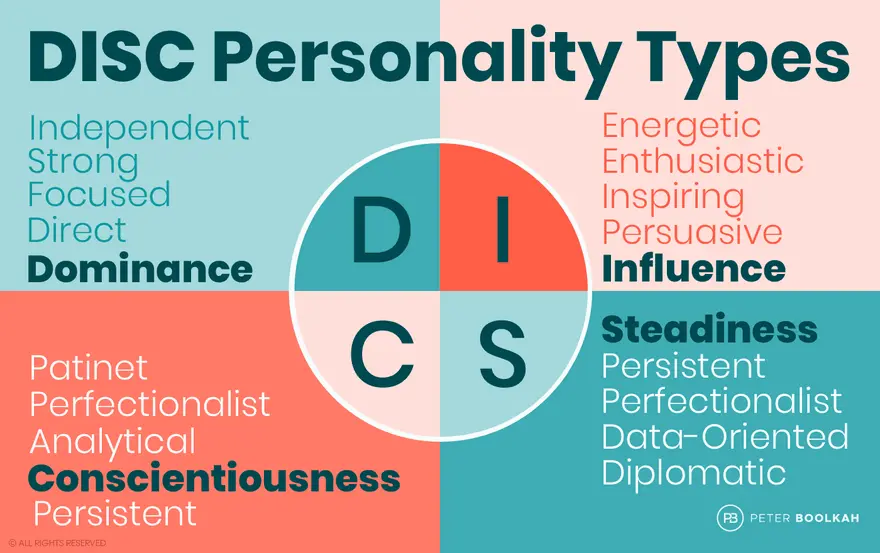
If your spouse has a Dominant (D) behavioral style:
Characteristics: Decisive, goal-oriented, impatient, straightforward
Example: Imagine your spouse comes home from work at night and immediately goes to their phone. You expected them to talk to you for a few minutes, but they want to quickly plan for tomorrow.
How to get along with them?
Speak directly and briefly.
Focus on solutions, not emotions, during discussions.
Respect their independence.
Love tip: Ask them, "What special thing would you like us to do together tonight?" This question appeals to the D style!
🟡 If your spouse has an Influential (I) behavioral style:
Characteristics: Talkative, energetic, emotional, sometimes distracted
Example: They invite guests for dinner without telling you. They wanted you to have a fun night, but you got upset because your plans changed.
How to get along with them?
Enjoy conversations with them, even if topics are scattered.
Don’t ignore their feelings.
Avoid blaming; gently remind with kindness.
Love tip: Send them a voice message saying how much you enjoyed their energy at the party. It will melt their heart!
🟢 If your spouse has a Steady (S) behavioral style:
Characteristics: Kind, reliable, resistant to change, patient
Example: You want to change the home décor, but they have been avoiding it for days. It’s not laziness; they just need time to adjust to the change.
How to get along with them?
Give them time to decide.
Don’t disturb their calm.
Express your requests respectfully and calmly.
Love tip: Whisper softly in their ear: "Your presence in this busy world is my peace." For an S style, this means true love.
If your spouse has a Conscientious (C) behavioral style:
Characteristics: Organized, precise, logical, perfectionist
Example: Before traveling, they spend hours planning the route, costs, and even what clothes to take. You’re frustrated, but they feel calm.
How to get along with them?
Respect their rules and structure.
Avoid criticism; if you have concerns, speak factually.
Admire their orderliness.
Love tip: Tell them: "I feel at ease because I know you always manage everything carefully."
How to use DISC for a more loving life?
Be self-aware: First, know yourself. What’s your behavioral style? Do you conflict with your spouse or complement them?
See differences as opportunities: Instead of trying to change your spouse, try to understand them. If you’re a D and they’re an S, you may have many disagreements, but these differences can complement and balance each other.
Express love in their language: Each style prefers a different way of receiving love. One may prefer affectionate words (I), another loyalty and actions (S).
Resolve conflicts based on style: Instead of asking "Why do they think this way?" ask "What is their perspective on this situation based on their style?"
The DISC model is a simple but powerful tool to understand yourself and your spouse. When you understand how your spouse sees the world, their behaviors won’t seem strange to you. This knowledge helps build a deeper, more respectful, and more loving relationship.
So, the next time your spouse’s behavior feels incomprehensible, instead of judging, ask yourself:
"Is this reaction coming from a specific behavioral style? How can I speak to them in their own language?"
For more information about behavioral models, feel free to contact us or join our online and offline courses. Some of our services are offered free of charge.


Comments