
Resolving Marital Conflicts with the Magic of DISC: How to Reach Understanding Without Fighting and Arguments?
- partedu
- Jul 22
- 5 min read

Marital Relationships Can Be Both the Sweetest and Most Challenging Experience in Life
Many couples face repeated deadlocks in communication, decision-making, or lifestyle throughout their married life, which can lead to coldness, resentment, or even separation. These deadlocks may arise for various reasons, including economic pressures, changes in life circumstances, or family issues. But did you know that many of these conflicts occur not due to disinterest or real incompatibility, but simply because of “behavioral and personality differences”? These differences may include different ways of expressing emotions, making decisions, and even solving problems.
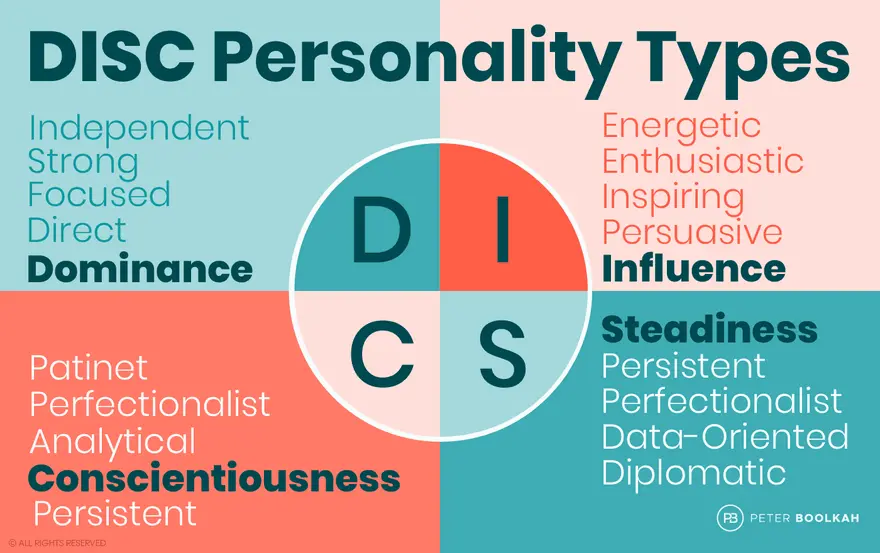
This is where the powerful and scientific tool “DISC Behavioral Analysis” comes into play. The DISC model analyzes four behavioral patterns of humans, helping us not only to better understand ourselves but also to gain deeper insight into our life partners. These four patterns include Dominance, Influence, Steadiness, and Conscientiousness, each with its unique characteristics. For example, those categorized as Dominant tend to be strong leaders who can easily make decisions in challenging situations, while those in the Steadiness group value calmness and stability in relationships.
As a result, by reducing misunderstandings and learning effective communication methods, marital conflicts can be resolved without quarrels and tension. Recognizing these patterns enables us not only to better understand our own and our partner’s behaviors but also to communicate constructively and positively. For instance, if we realize our partner belongs to the Influence category, we can communicate differently to meet their needs, which can improve communication quality and reduce tensions.
Ultimately, using the DISC model can serve as an effective tool for improving marital relationships. By better understanding each other's behaviors and needs, we can create a supportive and healthy environment in our shared life where both partners feel valued and satisfied. This not only strengthens the relationship but can also prevent serious problems in the future.
A Brief Introduction to DISC Behavioral Patterns
The DISC model is based on four main behavioral patterns:
D (Dominant): Decisive and results-oriented; loves control, speed, and achieving goals. Quick decision-maker with high energy.
I (Influential): Warm, talkative, creative, and highly social.
S (Steady): Calm, patient, loyal, and empathetic.
C (Conscientious): Organized, detail-oriented, cautious, and principled.
Each of these patterns has its strengths and limitations, and none is superior to the others. Most people have a combination of these patterns, but usually one or two are dominant in their personality.
Why Are Marital Conflicts Better Resolved Using DISC?
Most marital arguments stem from differences in attitudes, communication styles, priorities, and decision-making approaches. These differences can easily turn into deeper conflicts if couples fail to understand each other properly. For example:
One spouse makes quick decisions (D), while the other prefers to take time to analyze all aspects (C). This difference in decision speed may cause dissatisfaction and confusion because one may feel ignored or that their feelings are not valued.
One prefers detailed planning (C), but the other prefers a free and unstructured lifestyle (I). This lifestyle clash can cause tension, where one feels restricted and the other feels overlooked.
One needs emotional expression and communication (S), but the other dislikes entering emotional phases (D). This difference can lead to ineffective communication and feelings of loneliness.
If these differences remain unaddressed, they gradually lead to misunderstanding, anger, blame, or withdrawal, potentially damaging the marital foundation and creating a sense of alienation. However, with the DISC tool, couples learn:
Why does my partner react this way? This understanding helps them approach each other with empathy instead of judgment, leading to better awareness of each other’s needs and feelings.
What are their expectations? Knowing each other’s expectations allows couples to reach agreements that respect both sides and prevent future conflicts.
How can we adapt and respect each other without trying to change one another? DISC teaches acceptance of differences and finding cooperative ways to work together, leading to a healthier, more sustainable relationship.
Examples of Conflicts and Solutions Based on DISC
1. Conflict Between D and S Types:A dominant (D) spouse may want to move house quickly due to career advancement or lifestyle improvement, while a steady (S) spouse feels anxious and needs more time to adapt.Solution: The D spouse practices patience and empathy, listens carefully, and creates a safe space for the S spouse to express concerns. The S spouse learns to clearly express feelings to avoid misunderstandings. This fosters mutual agreement.
2. Conflict Between I and C Types:An influential (I) spouse promises many things and seeks excitement, while a conscientious (C) spouse values punctuality and order and may worry about broken promises.Solution: The I spouse becomes more mindful about commitments to avoid unrealistic expectations, while the C spouse loosens rigidity to create a lighter, happier environment. This leads to mutual understanding.
3. Conflict Between Similar Types:Two D spouses may constantly compete for control, or two C spouses might get stuck in details and struggle with decision-making.Solution: Recognizing shared patterns and strengths, couples can assign complementary roles and responsibilities, maintaining balance through open and honest communication.
Techniques for Effectively Resolving Marital Conflicts Using DISC
Recognize and Accept Differences:Taking the DISC test and discussing results helps partners understand and respect behavioral differences, improving communication and expression of needs.
Adjust Communication Language:Use language compatible with your partner’s behavioral style. For example, use words like “feelings,” “support,” and “together” with S types to foster security and cooperation.
Set Realistic Expectations:Align your expectations with your partner’s style to avoid unnecessary tensions, such as giving C types more time for detailed decision-making.
Focus on Problem-Solving, Not Winning:Shift from “Who is right?” to “How can we move forward together?” to find solutions that satisfy both partners, strengthening teamwork.
Learn Each Other’s Love Language According to DISC:Understand how each type receives affection — I types thrive on verbal praise, S types on presence, D types on respect for decisions, and C types on logical understanding — to deepen connection.
By applying these techniques and DISC, couples can effectively resolve conflicts and improve their relationships with patience and commitment.
Understanding Is a Choice, Not an Accident
Successful marriage requires deep understanding, genuine empathy, and communication skills. The DISC behavioral tool acts as a clear roadmap guiding couples from misunderstandings toward effective interaction and intimacy. It helps identify strengths and weaknesses in behavior, enabling gradual improvement.
Remember: Your spouse is not your enemy; they simply speak a different behavioral language. Learning and respecting this language removes the need for conflict. Understanding, accepting, and applying the magic of DISC leads to deep, lasting harmony by focusing on common goals rather than differences. This approach creates a relationship full of love and respect and enhances emotional bonds by understanding and responding to each other’s feelings and needs.
Want to Know Your and Your Partner’s Behavioral Pattern?
The DISC behavioral test is an amazing first step toward improving your relationship. It helps you understand your own style and your partner’s, enhancing communication and connection. Contact us for the test and professional analysis to start a fruitful journey together toward a lasting and successful marriage.


Comments