
Secrets of Effective Communication Between Parents and Teenagers Based on the DISC Model
- partedu
- Jul 22
- 3 min read

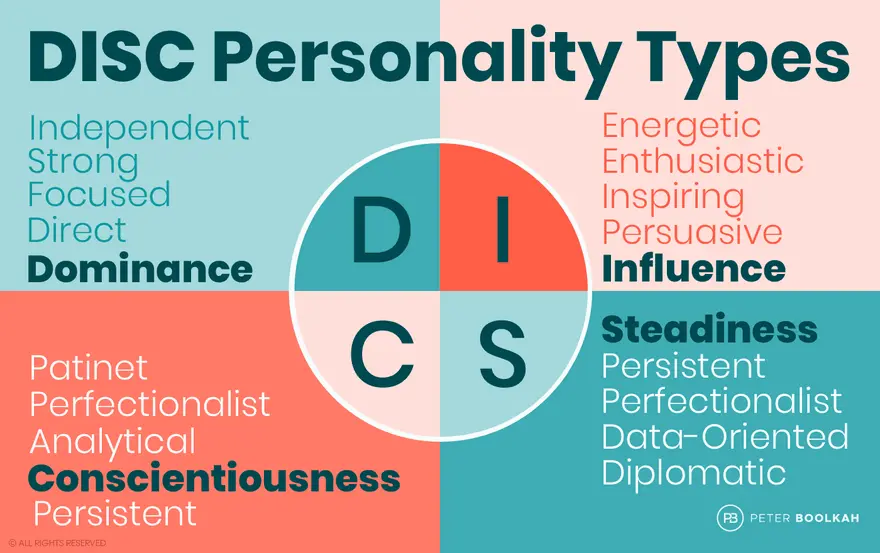
Adolescence is a sensitive and challenging stage in children’s lives, full of physical, emotional, and identity changes. During this period, teenagers face multiple challenges including searching for their identity, building social relationships, and experiencing new emotions. These changes can impact parent-child relationships and easily lead to tension or distance. One powerful tool to improve this relationship is the DISC behavioral model. This model divides people into four main behavioral types: Dominant (D), Influential (I), Steady (S), and Conscientious (C). Understanding these patterns and adapting parents’ communication styles accordingly can be the golden key to successful connection with teenagers and help parents effectively face the challenges of this period.
Understanding DISC Behavioral Patterns in Teenagers
D Teen (Dominant):These teenagers are usually independent, determined, and goal-oriented. They tend to make their own decisions and welcome challenges. They often resist excessive parental control and unreasonable restrictions and seek space to express power and personal decision-making.Communication Needs: They need their independence respected, offered choices, and engaging in challenging yet constructive conversations.Tips for Parents: Instead of giving orders or imposing opinions, give them opportunities to decide and use goal-oriented dialogue to help them recognize their abilities.
I Teen (Influential):These teens are energetic, social, and talkative. They enjoy being acknowledged and noticed, and are often active in groups. They seek strong emotional and social connections and benefit from positive, friendly interactions.Communication Needs: They need enthusiastic attention and constant encouragement for motivation.Tips for Parents: Spend time in judgment-free conversations, praise their small achievements, and involve them in family decisions to help them feel valued.
S Teen (Steady):Usually calm, loyal, and harmony-seeking, these teens dislike sudden changes and need a safe, stable environment. They may react negatively to rapid or unexpected changes and look for security in their relationships.Communication Needs: Emotional support, patience, and calm, empathetic dialogue are essential.Tips for Parents: Give advance notice of changes, create a safe space for emotional expression, and listen calmly so they feel supported.
C Teen (Conscientious):These teens tend to be precise, cautious, and interested in order and information. They often make decisions logically and avoid superficial emotions. They seek clarity and transparency in information and decisions and may get confused by others’ emotions.Communication Needs: They require logic, clarity, and respect for personal boundaries.Tips for Parents: Avoid vague talk, clearly explain reasons behind decisions, and be patient with their many questions so they can better understand issues.
Why Is It Important for Parents to Adapt to Their Teen’s Behavioral Style?Parents who communicate only in their own behavioral style often face misunderstandings or conflicts with their children. The DISC model teaches us that each teenager has their unique communication language. When parents speak that language, the teen not only listens but trusts and deeper connection forms. This adaptation can create a positive and constructive space where the teenager feels safe and valued.
Golden Principles for Effective Communication with All Four Types:
Active Listening: Go beyond hearing words—understand the feelings behind them and pay attention to your child’s emotional needs.
Adjust Tone and Body Language: Be firm and direct with D, cheerful and positive with I, calm and empathetic with S, and logical and precise with C to make each feel understood.
Avoid Labeling: Instead of saying “You’re stubborn,” say “I understand independence is important to you, and I respect that.” Such expressions reduce tension.
Give Feedback in Their Preferred Style: Feedback for I should be positive and enthusiastic; for C, precise and constructive; for D, brief and practical; and for S, supportive and empathetic to make teens feel understood and supported.
Communicating with teenagers is an art that requires learning, practice, and attention. The DISC model enables parents to better understand their child and communicate in an aware, flexible, and respectful way. As a result, instead of conflict, dialogue happens; instead of distance, emotional closeness forms—exactly what every teen needs on their growth path. This effective communication can help teenagers move forward in life with more confidence and build healthier relationships with others.


Comments